The Low-cost Education Revolution: How Technology Changed What’s Possible
A growing movement is solving one of education’s hardest challenges: making independent learning models accessible to working families.
For decades, that goal felt out of reach. Private schools often cost $10,000 to $30,000 or more per year. Full-time homeschooling frequently requires a parent to step away from income. For most families, the math did not work.
But something changed.
The median program in VELA’s network costs roughly $4,500 per year. Ninety-three percent serve low- and middle-income families. Eighty percent sustain themselves on tuition alone, without large grants or government subsidies.
How is this possible?
The technology revolution you’re not hearing about
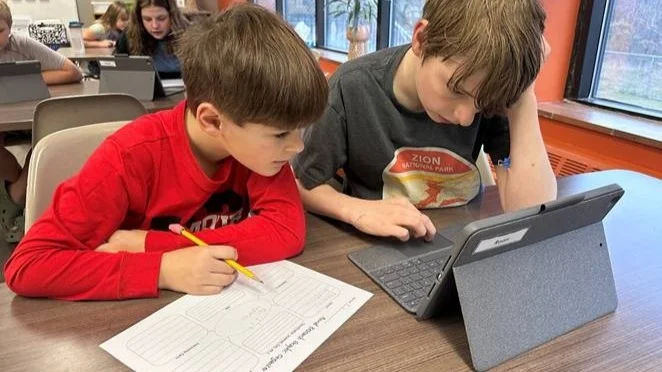
While today’s headlines focus on AI, a quieter shift has been unfolding for years. Advances in academic and operational software have dramatically lowered the scale required to run a school.
Operating systems: Managing admissions, payments, communications, and student data once required expensive systems built for large traditional schools. Today, integrated and affordable tools allow small operators to manage efficiently. Platforms like Our School Hangout, Align, Veronics, Omella, and a.school streamline operations. Many founders also use communication tools such as Brightwheel, Band, Basecamp for Education, and Flare.
Academic Content: Schools once spent thousands on textbooks and materials. Now platforms like Khan Academy, Lexia, IXL, and Zearn provide high-quality digital content at low cost. While much of ed tech is designed for traditional districts, a new generation of tools is emerging specifically for Indie families and founders. These programs are often project- or mastery-based, and adaptable for mixed-age settings. Examples include Schoolio, Rock by Rock, Quantum Courses, Learn Libre, and Boddle.
This growth in technology is not about replacing parents or educators. It is about removing administrative burden so founders can focus on relationships and community. It is about expanding access to quality tools that strengthen learning.
What this enables

Low-cost operating systems and accessible academic content allow founders to launch pilot programs with minimal upfront capital. With facilities and staffing as the largest cost drivers, innovators are rethinking both. The result is a surge in hybrid, part-time, cooperative, and virtual models designed for efficiency.
Founders are highly resourceful because they are motivated to serve families well while keeping programs accessible. They reimagine space, labor, and time.
- Space: Many founders secure shared, borrowed, or part-time locations for under $1,000 per month. They begin with an initial group of 10 to 15 students from families committed to trying something new. They test, gather feedback, and refine. They commit to larger facilities and paid staff only after demand is proven.
- Labor: Founders are often builders and parents themselves, contributing their time during the startup phase. Educators may include parents, grandparents, former teachers, retirees, college students, and working professionals. Staffing structures vary. Some roles are paid, others volunteer, and some are offset through flexible tuition arrangements.
- Time: Indie schools frequently offer part-time and hybrid models with significantly reduced fixed and variable costs. Smaller, more flexible facilities and creative scheduling arrangements enable founders to serve more learners in a smaller footprint. Many Indie families prefer flexible arrangements that optimize academic outcomes while reducing the number of hours spent in a formal classroom setting.
Ten years ago, this was far more difficult. Today, founders can start lean, grow sustainably, and respond directly to families. They do not need 500 students or immediate public funding to survive.
What this means for affordability
Lower fixed costs allow programs to charge less while remaining sustainable. Reduced administrative burden enables lean staffing. Accessible content ensures strong academic experiences without premium pricing.
The result is education programs that families can afford, founders can sustain, and students love. This is education anchored in real demand. Programs persist because families choose them year after year.
The future of access
Transformation rarely happens through billion-dollar programs or perpetual fundraising. It happens when innovation lowers barriers and expands participation.
Technology did not create Indie Education. Families and founders did. But technology removed constraints that once limited who could build and who could choose.
Now thousands of founders can launch. Hundreds of thousands of families can participate. Millions of students can benefit.
That is the revolution. It is already here.
- Founders: Learn how VELA can help you leverage technology to build sustainable programs. Join our network.
- Families: Find quality programs at accessible prices. Download the VELA app from Apple Store or Google Play and explore programs in your area.