“My Child Wants More Freedom”: What Parents Are Really Looking For
In September 2025, we launched the VELA mobile app. In less than four months, nearly 900 families signed up to search for programs. Every family tells us what they’re seeking. What we’re learning is reshaping how we think about education demand.
The surprising top reason
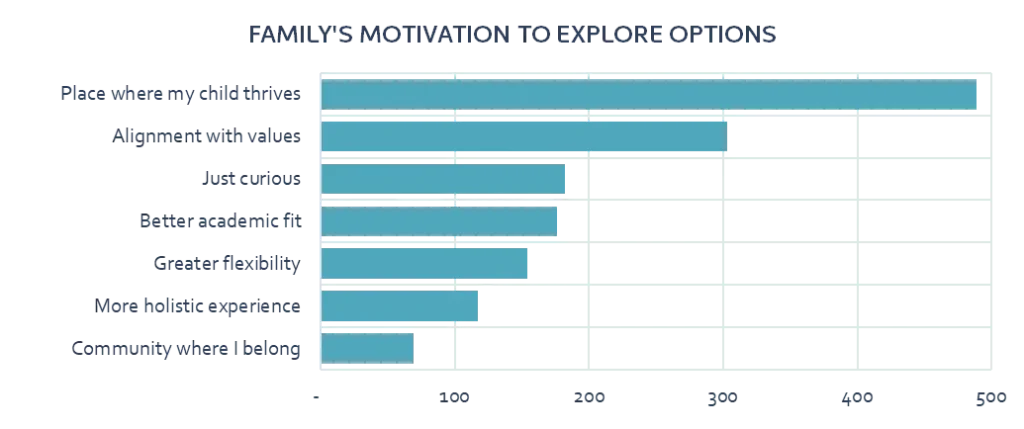
When we ask families why they’re exploring alternatives, here’s what we hear most often:
“I want a place where my child can thrive.” Not “better test scores.” Not “college prep.” Not even “values alignment,” though that matters too.
Families want their children to be known, valued, and happy. They want learning environments where kids wake up excited to go, where they’re developing confidence alongside competence, where they’re building genuine friendships.
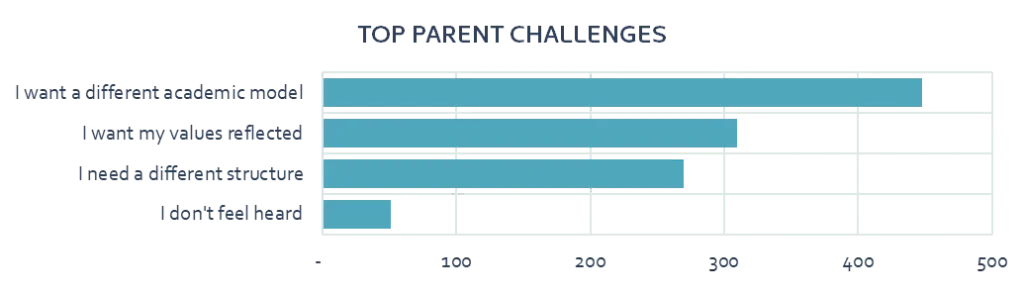
Parents have a strong point of view on the challenges they face with traditional education. They want to close the gap by finding something that better matches their preferences and respects their role in their children’s development.
Children’s needs are even more revealing and are unique to specific circumstances. Parents often seek alternatives because they are concerned about their child’s long-term academic, social, and emotional health.
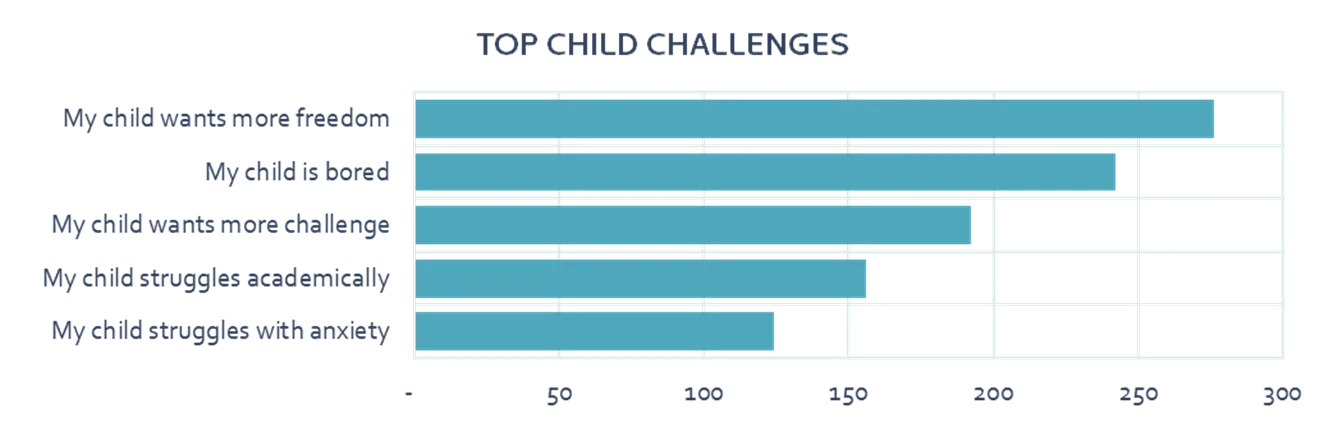
These aren’t complaints about broken schools. They are statements about mismatched needs. Traditional education works well for many students, just not for these students, in these families, at this point in their lives.
The lifestyle dimension
Perhaps the most striking finding: Nearly half (49%) of families prefer part-time, hybrid, or home-based education models over traditional five-day schedules.
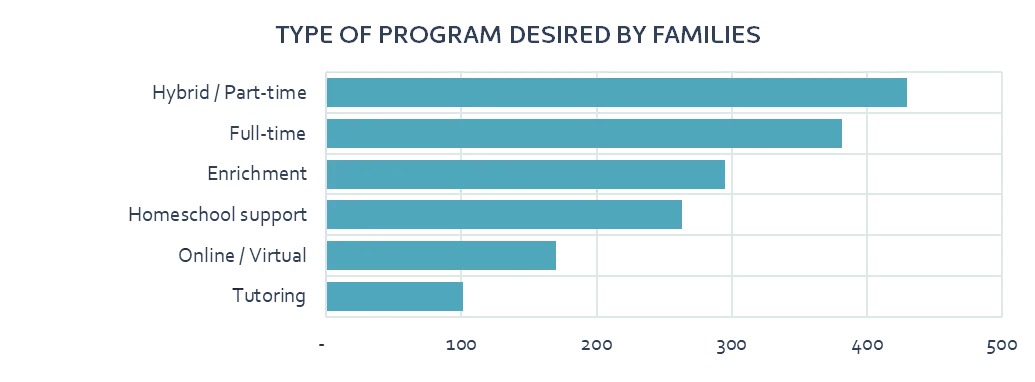
This reflects a deeper shift. Parents want more time with their children during these irreplaceable years. They want active involvement in shaping their children’s experiences. They want education that fits around family life. They want flexibility to pursue interests, travel, or adapt to challenges and opportunities when they happen.
When families report household income, the majority identify as middle-income. These are working families willing to make tradeoffs for an education that better fits their values and lifestyle.
Budget realities
Most families report education budgets between $300-800 per month. Many report their budget is “flexible / depends on value.” They’re willing to invest more when they find programs worth paying for.
This aligns well with the median cost in VELA’s founder network (around $450/month). Supply and demand are meeting at accessible price points.
Diversity of priorities
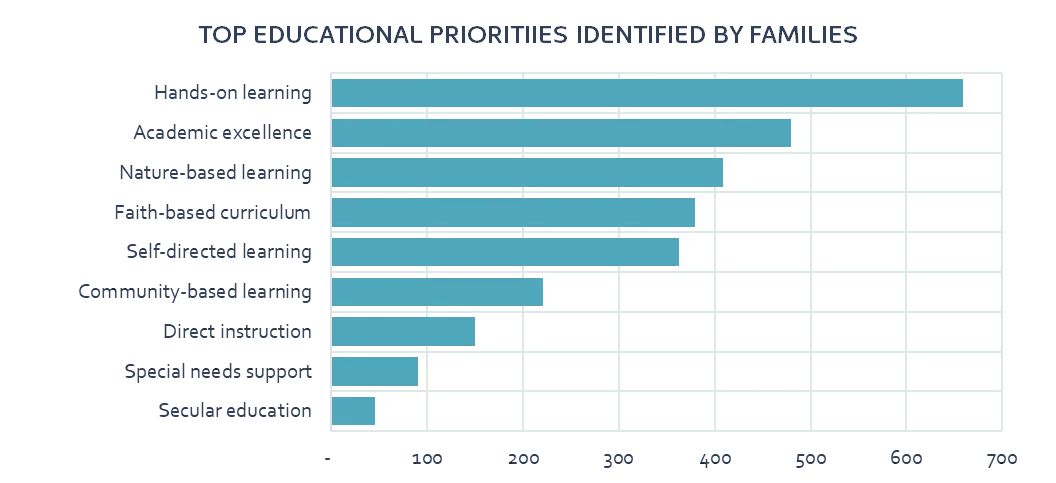
What strikes us is the diversity of family priorities. There’s no single definition of “better” education. There’s better for us. Better for this child, this family, these values, this stage of life.
What this means
If you’re a family exploring alternatives: You’re not alone. Hundreds of thousands of families are asking the same questions. Your desire for something different means you know your child and your family.
If you’re a founder: Families aren’t just buying academic services. They’re choosing lifestyle and seeking community. They’re looking for places where their children can flourish as whole people.
The families finding their way to Indie Education aren’t running from something broken. They’re running toward something that works better for them. Education that elevates their children’s individuality, reflects their family’s values, and fits the life they’re choosing to live.
If you’re a parent: Discover learning environments where your child can thrive. Download the VELA app from Apple Store or Google Play and explore programs in your area.Start writing your article here…