The Focus Paradox: The Founder Donors Most Want To Fund Is The ONE Too Busy To Apply
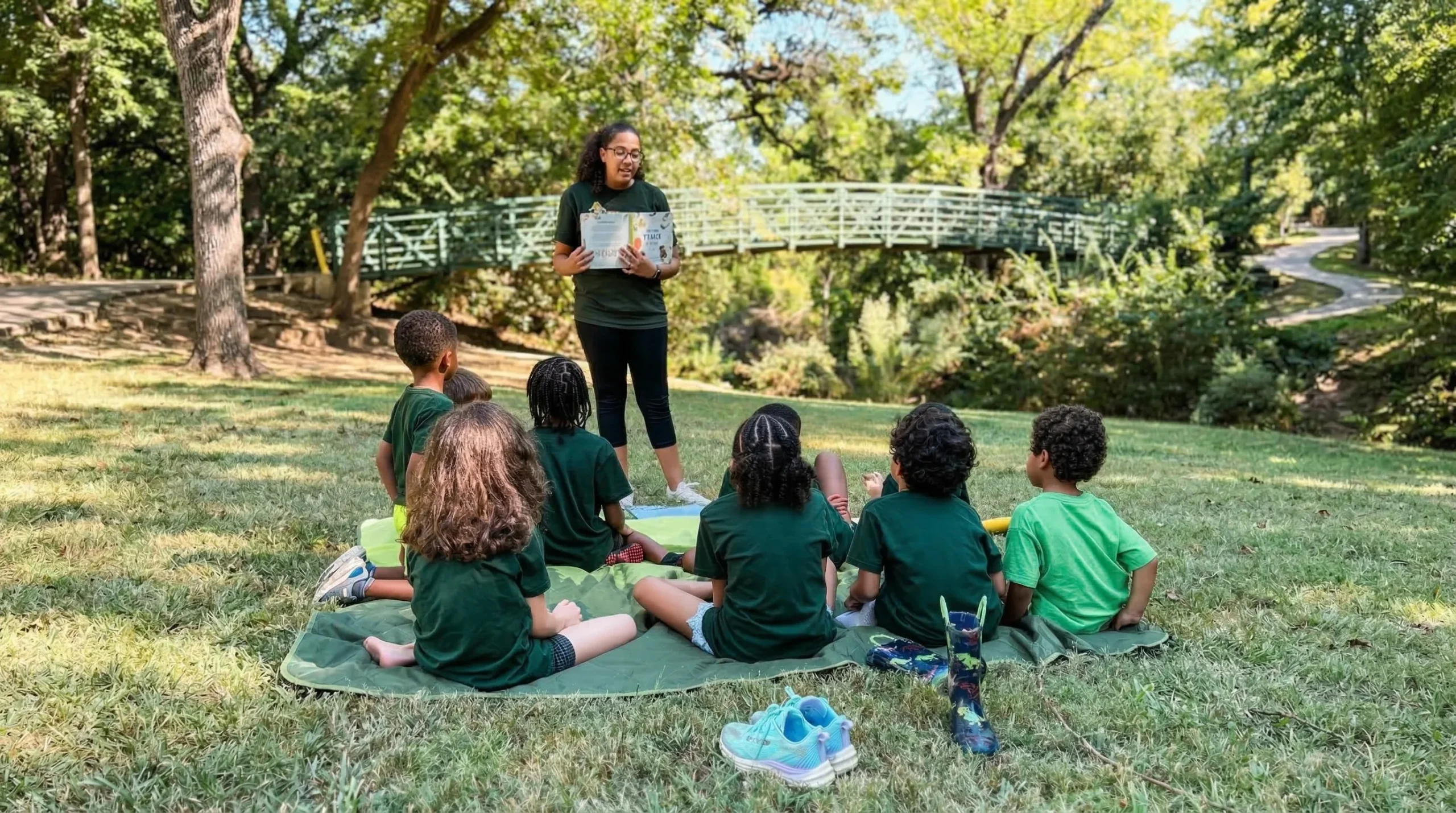
We learned something counterintuitive from our reinvestment portfolio. The founders building the most compelling and sustainable programs are often the least likely to apply for additional funding. Not because they don’t value outside investment, but because they’re too absorbed in serving the families in front of them to come up for air.
The focus paradox
In 2025, we reviewed hundreds of reinvestment applications. Requests from existing VELA founders seeking $50,000-$150,000 to scale their programs. A small percentage were approved. Here’s what we noticed:
Founders who shifted significant time and energy toward pitch competitions, speaking engagements, and industry events often showed weaker long-term customer demand than those who stayed close to their core work. This appeared especially true when those activities became a primary focus of their daily operation.
The programs with the strongest growth, retention, and sustainability were led by founders who spent most of their time teaching, planning programming, and communicating with families. They iterated based on family feedback. They invested resources in improving their product. They built deep relationships with current families. When we reached out to these founders about reinvestment, many hadn’t even considered applying. They weren’t thinking about funding. They were thinking about how to serve their students better.
What this taught us
Fundraising and philanthropy matter. Donors who invest in strong founders accelerate the movement in ways that tuition alone cannot. But there’s a real tension. The skills and activities that attract outside capital, such as compelling storytelling, polished pitches, and conference presence are different from the skills that build programs families love. When founders let fundraising become their primary purpose, their attention shifts in ways that families can feel.

The best educators focus on individual student progress, continuous improvement of instruction, deep communication with families, operational effectiveness, and community building.
Here’s the paradox. The founders most worthy of investment are often the ones funders have the hardest time reaching. That’s because they’re heads-down building something real. They’re not presenting at conferences or circulating in funding networks. They’re building their businesses by serving their customers. Their results speak loudly. They just aren’t always in the room to speak for themselves.
A different approach
We’re changing our reinvestment strategy. Rather than relying solely on inbound applications, we’re proactively identifying the most effective programs based on observable metrics:

What this means for founders: Your primary job is your families. The strongest path to outside investment, from VELA or anyone else, is building something so valuable that families keep choosing it and recommending it to others. Fundraising can be a legitimate tool for growth, but it works best when it follows proof, not when it substitutes for it.
If you’re fundraising, that’s great! Just remember to keep families as your primary audience, not your secondary one. The founders we’ve seen struggle are those who started optimizing for funding partners, government officials, or the conference circuit before they had a deeply loyal customer base. The founders we’ve seen thrive are those who stayed focused on the families in front of them until their programs became undeniably worth investing in.
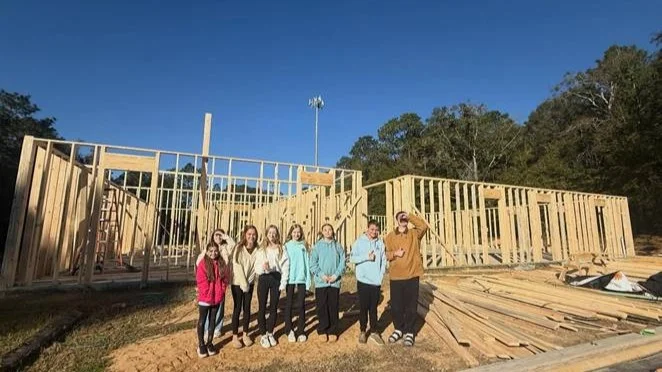
What this means for donors: Philanthropy is a powerful accelerant when it flows to founders who have already earned trust from families. The most important question is “Are families choosing to stay? Are they telling others and driving growth?” That’s not the only signal that matters, but it’s the clearest one we have.
At VELA, we invest where market demand is already proven. We support founders who’ve demonstrated that families value what they offer enough to keep paying for it month after month, year after year. Donors who share that orientation are investing in founders who’ve already earned their customers’ trust and continue to grow and expand their businesses.
- Founders: Building something families love? Even if you haven’t thought about funding, we want to know about you. Update your profile in the VELA app and stay connected.
- Donors: Support programs proven by family demand. The best founders are often the ones you haven’t heard of yet.